Torus Drawing Guide
Updated: 19 Jul 2026
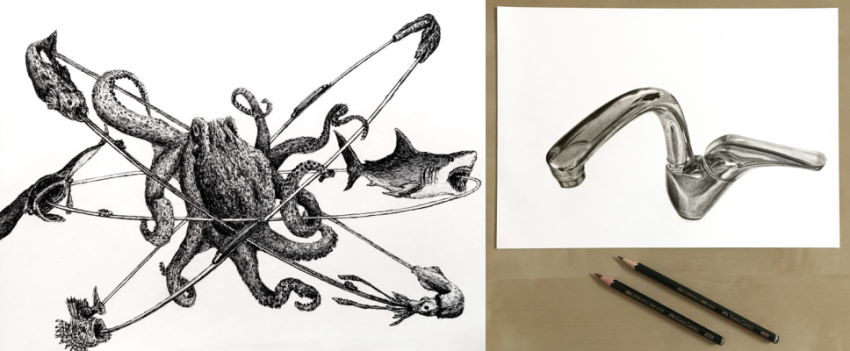
This advanced guide is an extension of my guide for drawing from imagination.
The examples below are rendered realistically using pencils, pens, colored pencils, and markers.
If you are new to realistic rendering, I highly recommend starting with my realistic drawing guide first.
Intro
A torus (a donut-like shape) can be challenging to render accurately in perspective.
When viewed from an angle, its outer boundary appears as an ellipse, while its inner opening resembles the shape of a human eye.
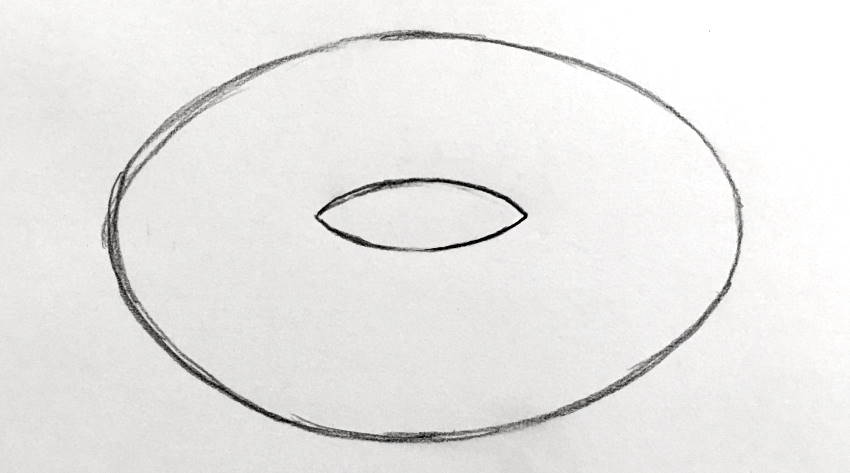
This unique look is created by overlapping, as the front portion of the torus naturally conceals part of the back.
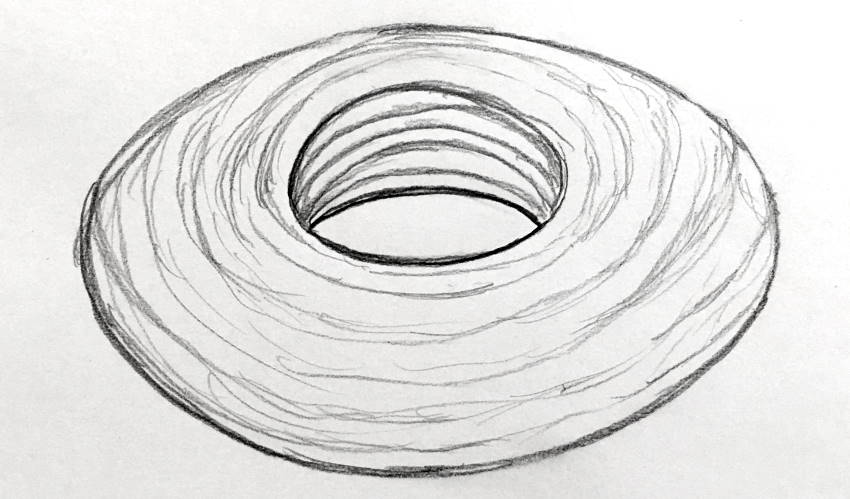
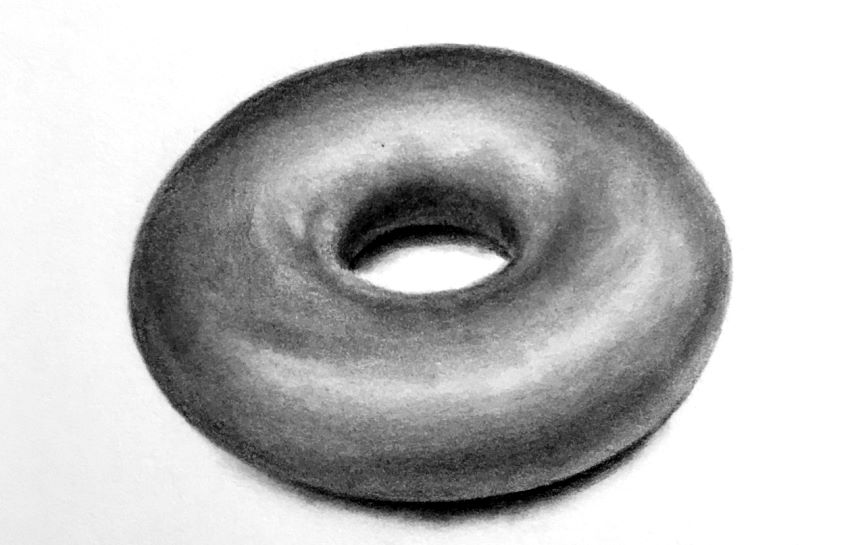
When drawing realism, you want to ensure there are no lines in your final drawing or painting.
Instead, use brightness values (light and shadow) to define the form.
If you are unfamiliar with terms like "foreshortening" or "overlapping", I recommend visiting my depth drawing guide before moving forward.
Torus-Like Shapes
Some complex shapes share the core characteristics of a torus.
Torus-like shapes such as stair railings, a coiled garden hose, or a bent industrial pipe feature a continuous curve that creates overlapping.
This means that even though the object is a single, continuous cylinder, its curvature causes the front section (red) to partially conceal the back section (blue).
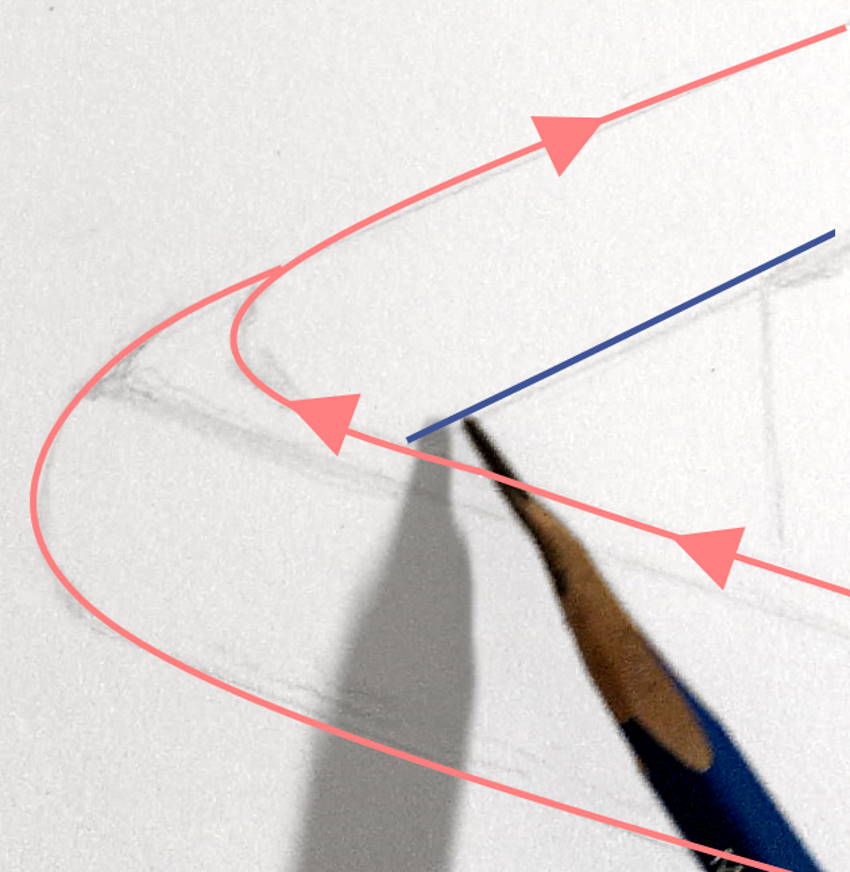
In certain lighting conditions, highlights and core shadows will naturally follow the cross-contour curves of the object, beautifully emphasizing its 3D volume.
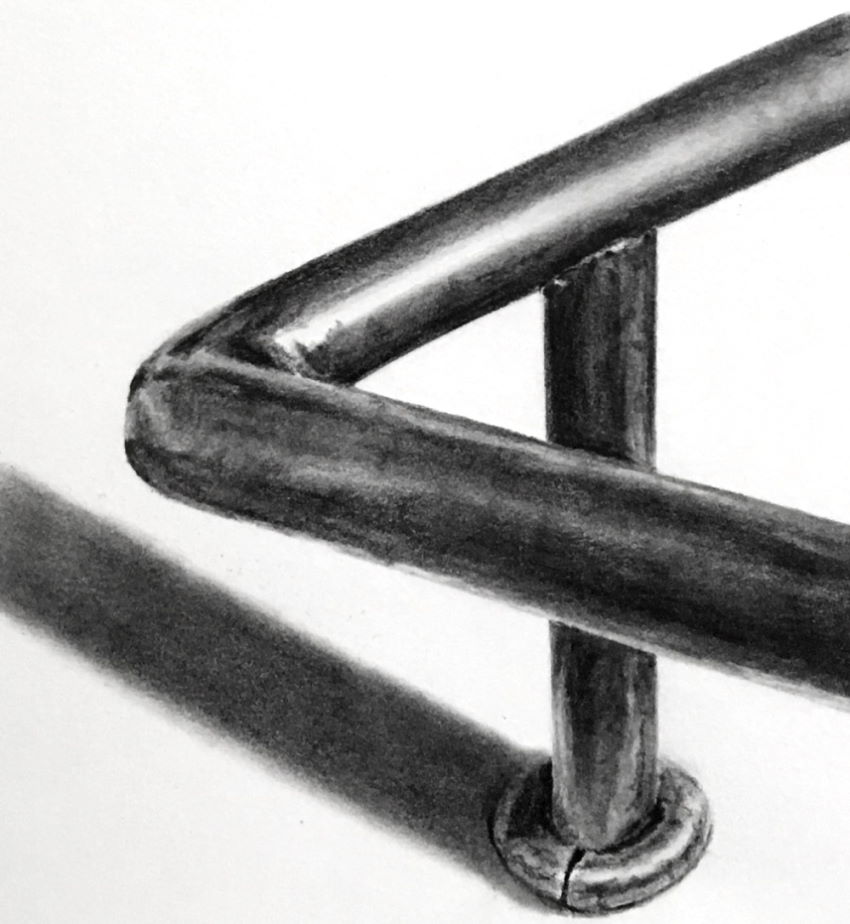 Staircase railing drawing
Now, look at the next example of a faucet. Try to determine which part is closer to the observer.
Notice that where the form curves, the foreground section (red) overlaps the background section (blue).
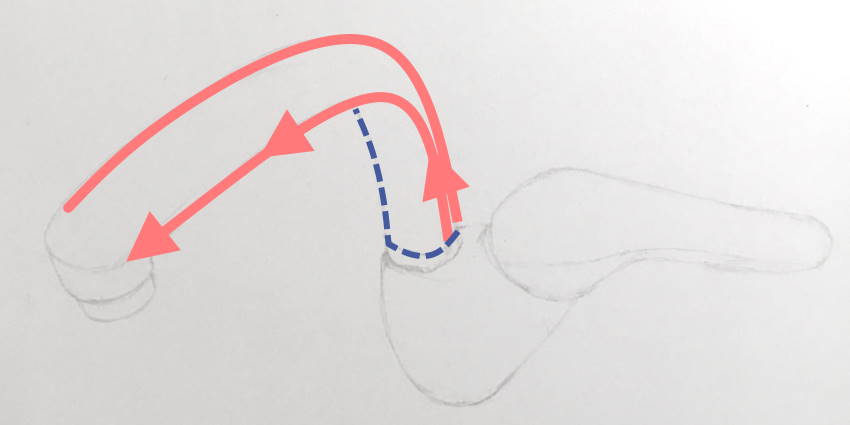
These transitions, represented by the red lines in the image above, appear naturally when rendering. In a realistic drawing, these are not actual lines but rather the curves where highlights or shadows wrap around the form.
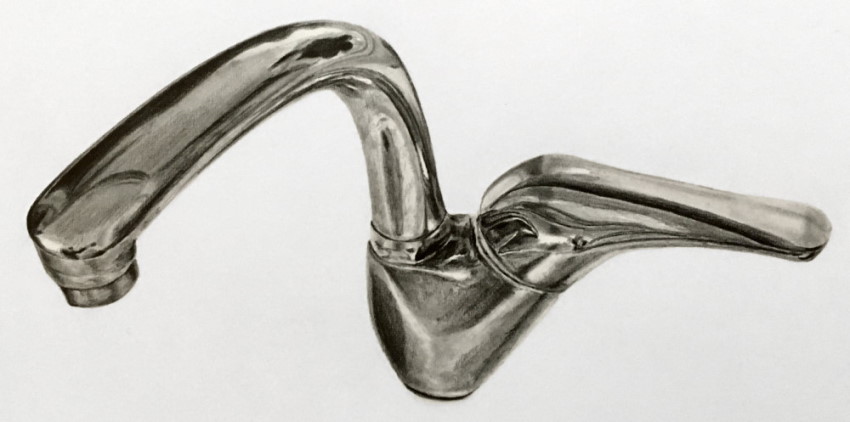 Faucet graphite drawing
For realistic texture rendering, visit my texture drawing guide.
Keep in mind that a complex object may contain multiple torus-shaped parts, even if the overall object itself has a different structural shape, such as the box and cylinder combination in the next example.
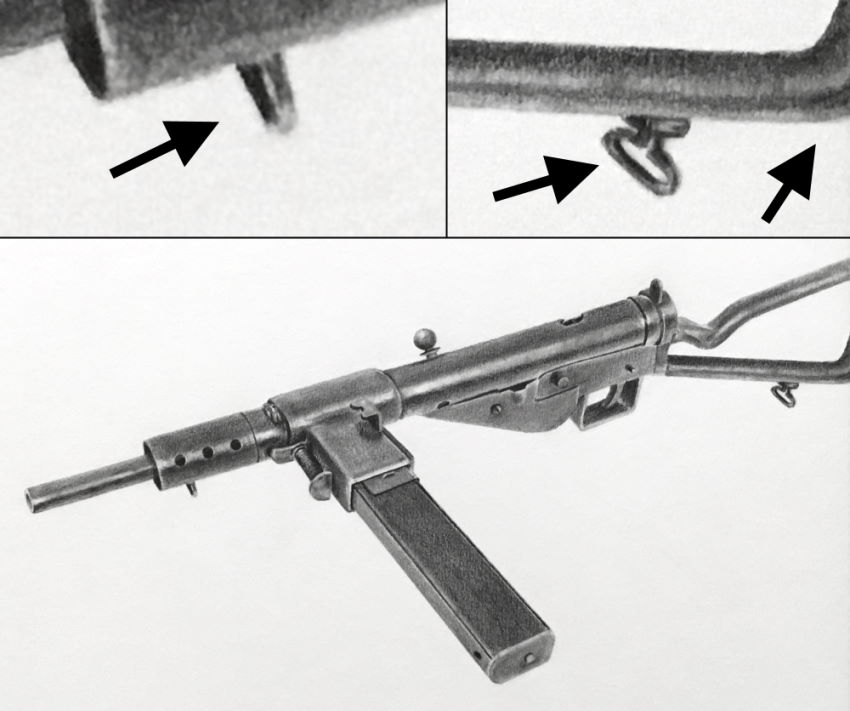 Sten submachine gun drawing
Organic Objects
While man-made objects have more defined structures, organic objects are more abstract yet follow the exact same rules.
As before, look closely for the front section that overlaps the back section.
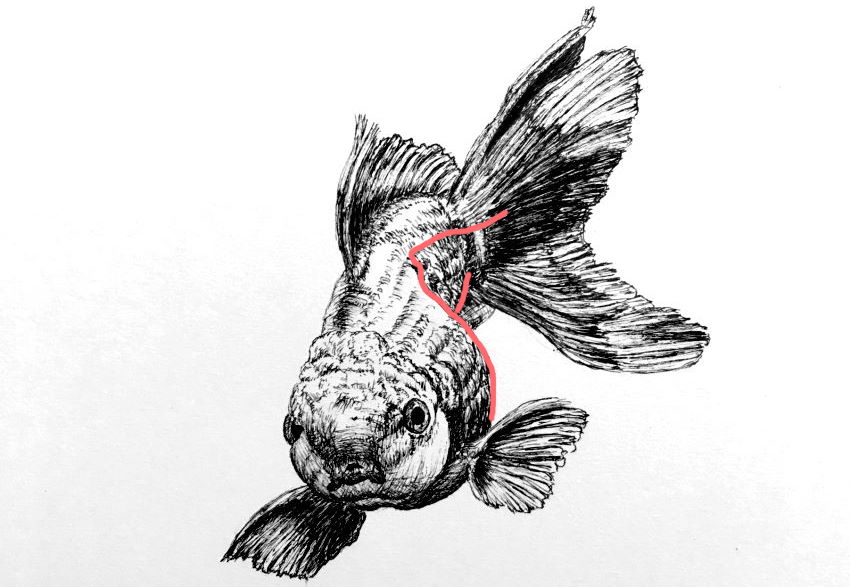
Once you understand these principles when drawing from observation, you can confidently draw from imagination by keeping direction and overlapping in mind.
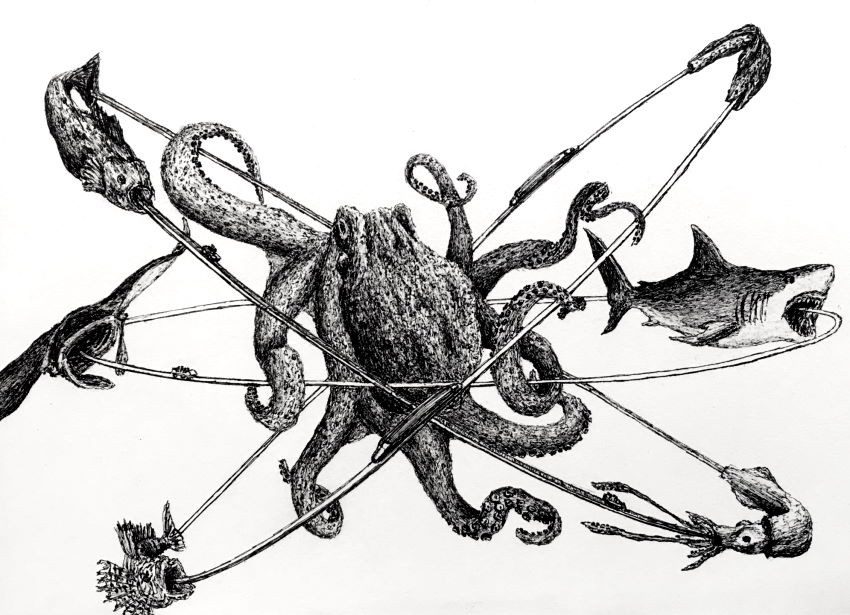
I drew the example above with a technical pen. Here you can find my review for technical pens.
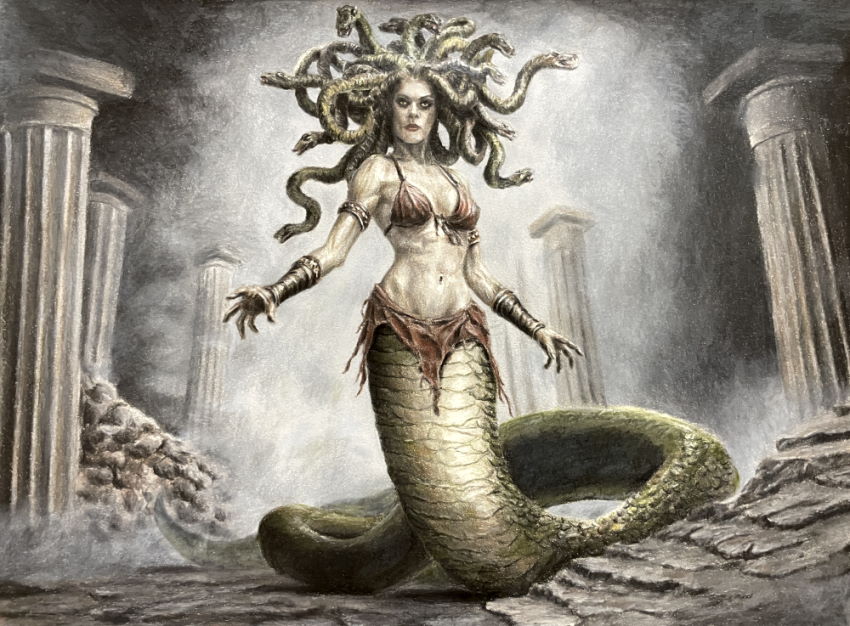
Tentacles, snakes, vines, roots, and other long, curving forms are classic examples of organic complex shapes that act like a torus.
The next example, which I drew with colored pencils, features the mythological creature Medusa. Her serpent body and the snakes on her head perfectly illustrate how these overlapping principles apply to complex organic subjects.
Complex Drawing
Advanced object drawing centers on the ability to draw from imagination.
To successfully compose a complex scene, it is essential to first master perspective drawing.
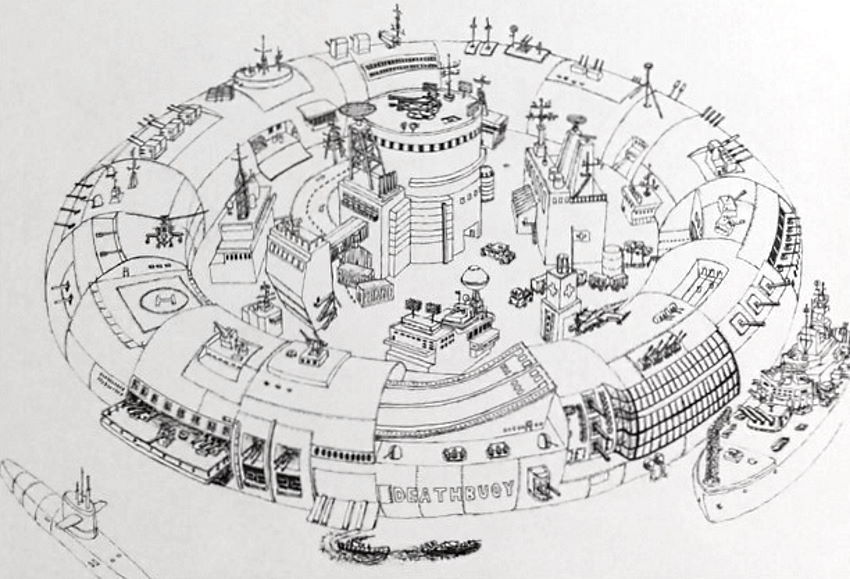
Once you establish the correct perspective structure, you can begin the rendering stage.
Rendering involves choosing a specific style, such as realism or sketching, alongside your preferred medium, whether that means colors, pens, or pencils.
In this example, I used markers. You can explore my marker drawing guide to learn more about this medium.
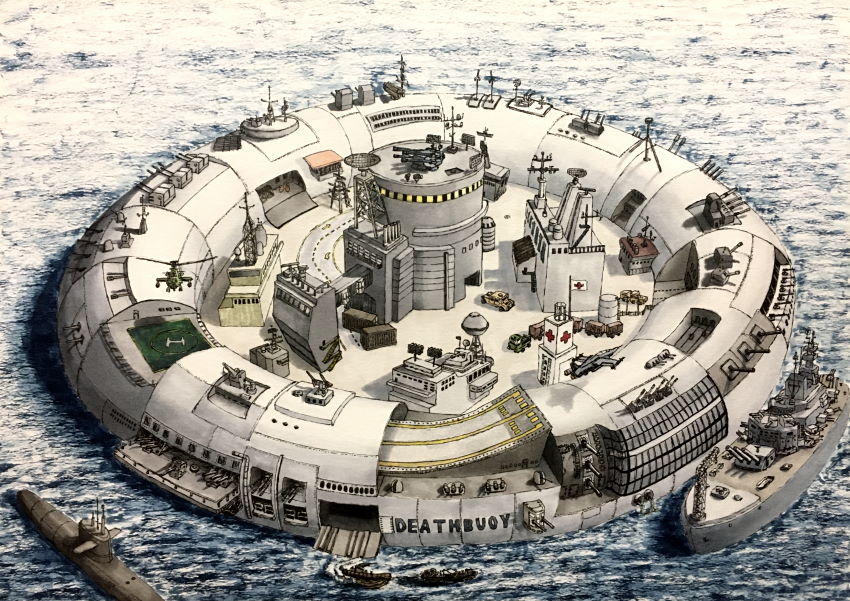 Deathbuoy
Summary
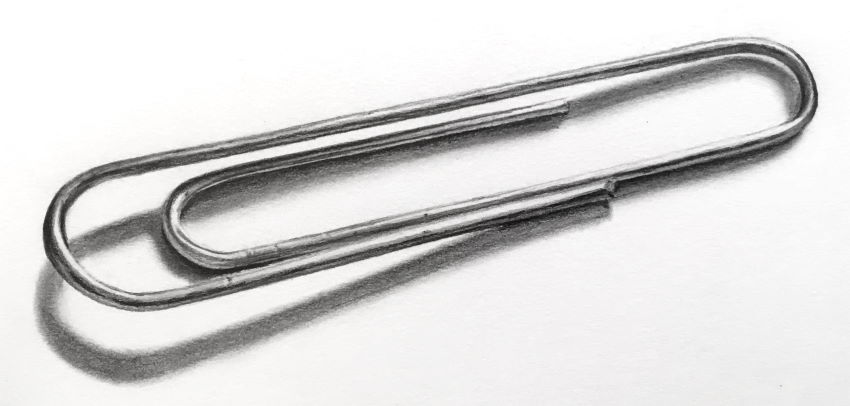
While a perfect round torus represents objects like bracelets, rings, and steering wheels, many complex forms share this exact same overlapping structure.
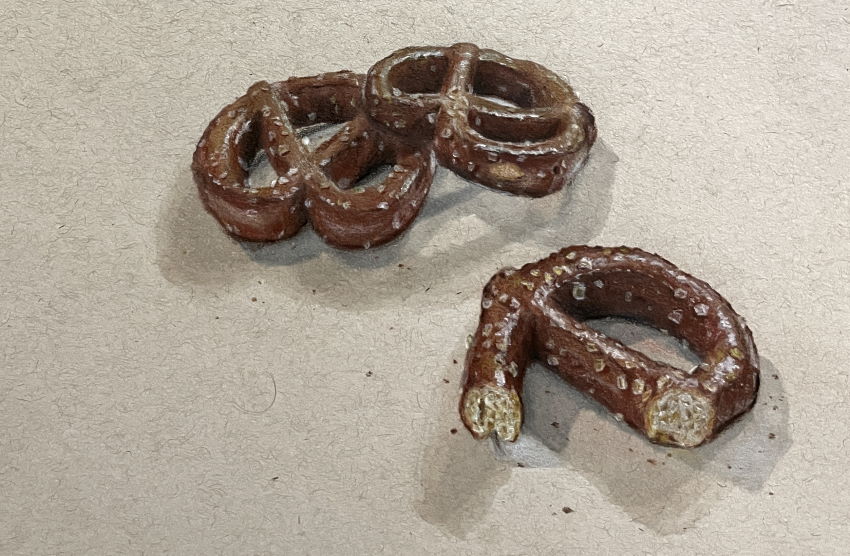
A pretzel is built from a network of torus shapes, meaning it consists of multiple curved cylinders overlapping one another.
For a beginning artist, mastering how to draw boxes and cylinders is essential.
Once you grasp these fundamentals, you can easily transition to learning how to draw round objects and how to draw spherical objects.
To see which paper I use for each project, visit my drawing-paper review and guide.
In addition, I highly recommend learning about composition drawing to elevate your work.